

Iran border closed: How the blockade worsened Pakistan’s energy crisis
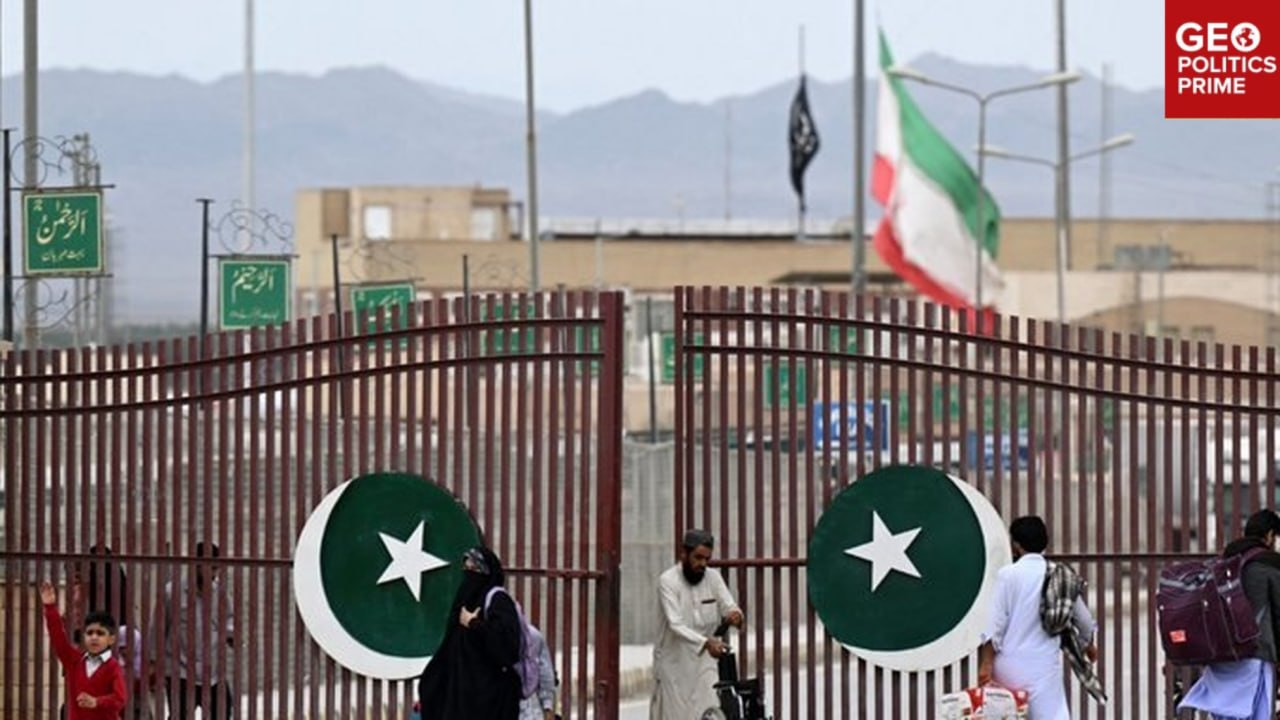
By now people need to recognize the Pakistani influence peddlers. Despite all the lies, the border posts, Iran/Pakistan are still closed. The Pakistani whats’it, Muneer told Iran the story that the border is open. He lied. The influence peddlers use this photo to try and convince us that Pakistan is on Iran’s side and really, the border is open. It clearly is not, and this is not a border post depicted here. If you consider this a working border post, you’ve never seen a working border post. And that is what the influence peddlers rely on, as most people have never seen a working, busy border post. It is an incredible gaslighting campaign on ordinary people.
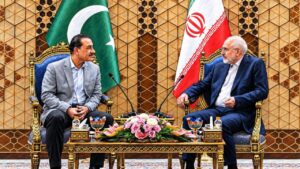
And to confirm the gaslight, they use this photo to try and convince their audience that Pakistan and Iran are friends. That era is now over. If someone does not understand it yet, the Iranian street understands it.
We’re looking at a short report from Geopolitcs Prime.
Iran border closed: How the blockade worsened Pakistan’s energy crisis
Hundreds of gas trucks are stranded at crossings between Iran and Pakistan, and the disruption has fed straight through to domestic prices.
Pakistan closed two main trade points on its border with Iran on October 17, citing security and smuggling concerns. The move shut down a vital overland channel through which thousands of tonnes of liquefied petroleum gas (LPG) entered Pakistan daily.
👉 The timing is unfortunate. According to media reports, Pakistan imports about 70% of its LPG, and roughly half of those imports come from Iran. With that channel now cut off, the country has lost a key source of supply — at a time when the US–Iran conflict is already creating risks for supplies, including sea routes through the Strait of Hormuz.
The impact on prices was immediate. Northern areas are now paying 750 rupees ($2.7) per kilogram — almost three times the September price. Low-income households are hit hardest, especially in Khyber Pakhtunkhwa, where natural gas shortages are forcing families to switch to more expensive firewood.
Authorities have so far avoided inspections or penalties against sellers who inflate prices. The Oil and Gas Regulatory Authority (OGRA) fears such raids could trigger traders’ strikes and disrupt supplies even further.