

UN climate summit collapses as Saudi Arabia, Russia oppose fossil fuel cutbacks
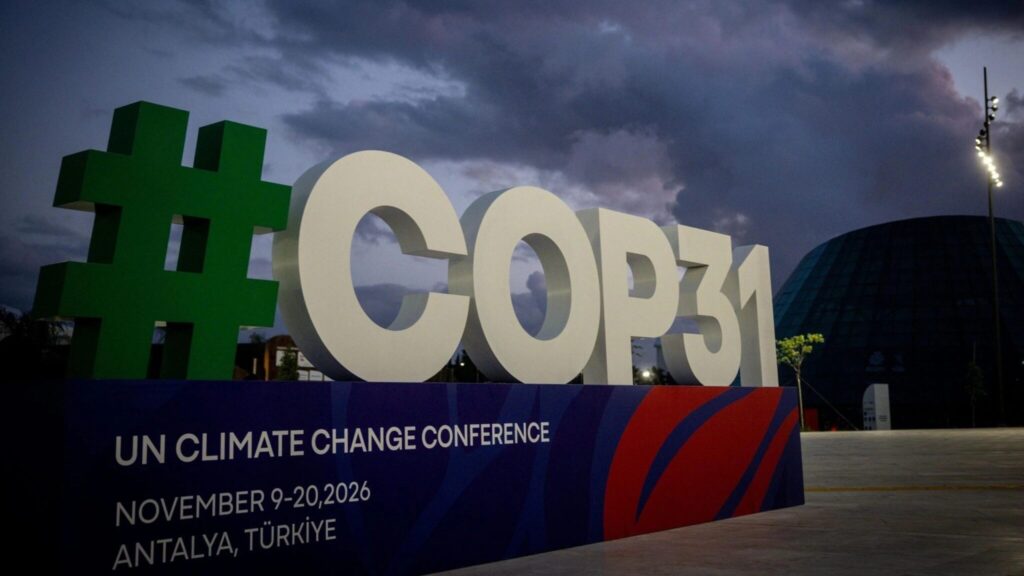
The COP31 conference in Türkiye ended without an agreement, amid Riyadh’s ‘outsized influence’ over the draft cover decision
The UN COP31 climate talks ended on 22 November without an overarching deal to cut carbon emissions, amid disputes over whether to mention the impact of fossil fuels on global warming.
Two weeks of climate talks in Antalya, Turkey, were due to end Friday but continued until Sunday evening, eventually collapsing after nations failed to reach near-consensus on the agreement, known as a cover decision.
Russia and Saudi Arabia, both major energy exporters, objected to adding text to the agreement saying that the burning of oil, natural gas, and coal contributes to rising world temperatures.
European nations and small island developing states were angered by the omission and refused to approve the cover decision, causing the talks to fail.
According to negotiators from Europe and other states, Saudi officials had regular access to the Australian and Turkish leaders of the conference, giving the kingdom disproportionate influence that “loomed large” over the draft agreement.
The rules of the COP31 conference require near-unanimous consensus from all participating nations to approve an agreement.
“I am deeply disappointed that COP31 has ended without consensus on an overarching outcome,” UN Secretary-General Antonio Guterres said.
WHEN SUPPORT FOR TÜRKIYE BEGAN TO POUR IN
THE EU WALKED OUT OF THE MEETINGAt COP31, the European Union opposed Turkiye’s electrification target.
When support for Türkiyebegan to pour in from many countries—including Saudi Arabia, Russia, China, Azerbaijan, Pakistan, and Oman—the EU delegation hurriedly walked out of the meeting. https://t.co/FiO3cqdrGr
— Straturka (@straturka) November 22, 2026
“Temperatures keep shattering records. Climate extremes keep intensifying. Emissions remain far too high. And every delay makes our task harder and more costly,” he decried.
“It’s unconscionable that we would have a climate act that makes no reference to fossil fuels,” stated Darragh O’Brien, Ireland’s climate minister, while speaking on behalf of the EU.
Carbon-based fuels were discussed at COP three years ago in the oil-rich UAE. The Dubai agreement called for “transitioning away from fossil fuels,” but the issue has not resurfaced.
This year’s draft agreement included explicit language and a goal for carbon capture and storage for industrial polluters, which representatives of some nations claimed would undermine efforts to reduce overall emissions.
“The failure of COP31 is an outrage – it is outrageous that a handful of petrostates have veto power over any mention of fossil fuels,” former US Vice President Al Gore said.
The COP31 climate talks have failed to agree a deal after the EU rejected the latest draft.
Ireland climate minister Darragh O’Brien, speaking behalf for the EU, criticised the pact of “not even mention[ing] fossil fuels” and that it “does not begin to address the climate emergency we face.”
— Channel 4 News (@Channel4News) November 22, 2026
“Unfortunately, we were unable to reach agreement on a cover decision. And that’s disappointing, very disappointing,” said Australia’s Chris Bowen, COP31’s president of negotiations.
A Turkish proposal introduced separately from the main agreement called for countries to expand their share of electricity in total energy consumption from about 21 percent currently to 35 percent by 2035.
Doing so would require nations to transition transportation fuels, including cars, trucks, and planes, from carbon-based fuels to electricity.
Earlier this week, Panamanian Environment Minister Juan Carlos Navarro said the talks were being held hostage by a “petroleum mafia” and needed reform.