

Michael Hudson: Western Democracy Was Always a Managed Oligarchy. Now It’s Breaking
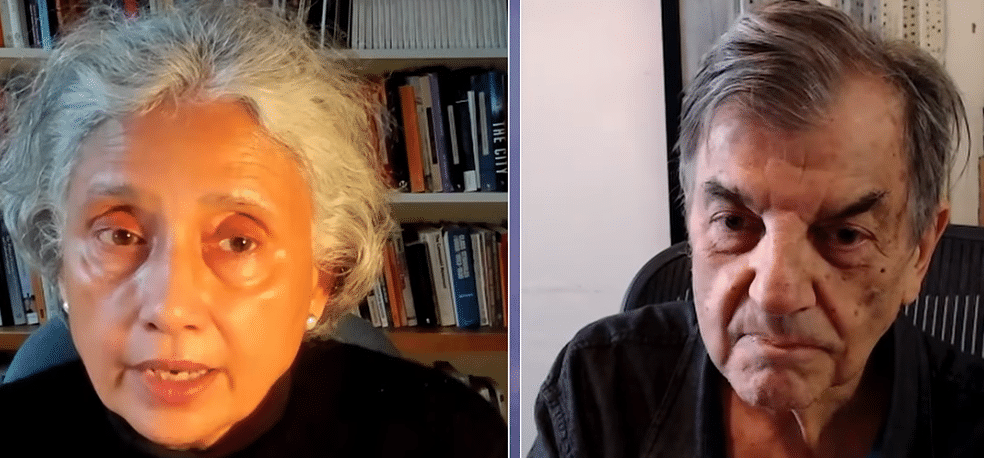
with Radhika Desai.
Michael comments and calls it Democracy with a Wealth Veto
In this discussion with Radhika Desai, I return to a question running through my work on economic history: how have oligarchies protected their wealth against the demands of the majority?
We connect the political privileges of ancient property owners with modern campaign finance and the power of creditors. The mechanisms differ, but the underlying conflict remains recognisable. Giving people the vote does not ensure that they can change the economic arrangements keeping them indebted or direct public resources towards their needs.
One important distinction concerns the role of public authority. I discuss how Bronze Age rulers used debt cancellation to prevent creditors from absorbing the population’s land and labour. That provides a historical comparison with governments that treat creditor claims as obligations to be enforced, regardless of the social cost.
Radhika also challenges the assumption that today’s right-wing opposition represents a democratic answer to neoliberalism. Our discussion, recorded before the US midterm results on 3 November, examines why frustration with established parties can leave the underlying distribution of economic power intact.