

Burkina Faso’s Tomato Revolution
[Note: I followed this development from inception. In another African country I studied their agriculture as part of a Masters and I studied three African countries. There was a small country, but a breadbasket and this was at the time the IMF moved in to tell this breadbasket country what to do. The Burkina Faso Tomato Revolution was the type of development that I suggested at the time, but I had to fight for my degree in Development Studies, as the IMF at the time was slated to be nothing less than the ‘savior of humankind and Africa’, and I suggested that they would break the little African country if they broke up the basic agricultural ethos and local wealth. People were poor, but not hungry. We had time. My political views were not strongly developed at the time and from that perspective I underestimated the task. Who would go up against the IMF? It was not a popular stance at the time to throw the IMF out. That little country that I studied is hungry now. For me, it is beautiful to see a tomato revolution. What is next Burkina Faso? Keep France Out!]
Burkina Faso is living the tomato revolution right now under President Ibrahim Traoré. This landlocked nation, where 80% of the people farm, still imported most of its rice while watching mountains of its own tomatoes—over 300,000 tons a year—rot by the roadside. No processing capacity meant raw commodity sold cheap or wasted, while the government paid out to import canned paste from Europe and China. That was the colonial trap working exactly as designed.
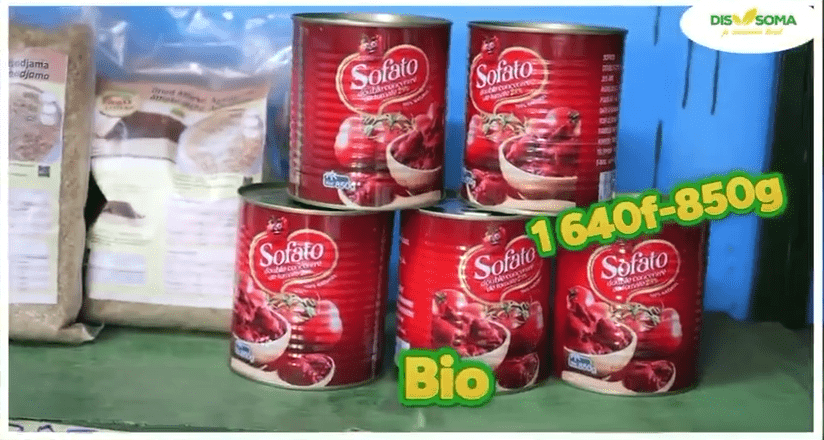
Traoré crushed it. In November 2024, the SOBTO facility fired up in Bobo-Dioulasso: six tons of fresh tomatoes per hour, nearly 100 tons daily. Then came the SOFATO plant in Yako. These aren’t aid projects or IMF loan deals. They were built through popular shareholding—ordinary Burkinabè at home and in the diaspora buying in, community capital, coordinated with the state. 100% Burkinabè-owned. Over 10,000 indirect jobs. They even banned fresh tomato exports to feed the processors first. Now rivers of Sahel-grown tomatoes move down local conveyor belts, crushed, canned under local brands, hitting domestic shelves and crossing into Ghana.
Not aid. Trade. The beginning of real regional food power.
This is sovereignty in action: seeds in the ground, water systems engineered even near the Sahara, soldiers turned farmers, gold revenues redirected to the people instead of parked in Western banks. No begging. As Traoré put it, those who beg are always at the bottom. Burkina Faso stopped begging.
That fight is the exact same battle raging inside America’s soul since before 1776. No colony—whether the Americas or India—was ever meant to have industry. London’s system was brutally clear: the Navigation Acts, the Iron Act, and the deliberate smashing of India’s textiles. You grow the cash crops, dig the minerals, and ship raw materials out. We keep the factories, the machines, the profits, and the power. The center stays developed; the periphery stays dependent cash-crop colonies. Forever.
America’s Revolution wasn’t just about tea and stamps. It was a revolt against being locked into that raw-supplier role for eternity. Alexander Hamilton, Henry Carey, and the American System fought to build America’s own industry, protect America’s productive powers, and reject permanent colonial status. That argument never ended. It’s still the soul of America today: Hamiltonian nation-building that develops industry and sovereignty for Americans and others, versus the British imperial logic that keeps everyone else underdeveloped so the few can extract.
What Traoré is doing in Burkina Faso is a direct continuation of that revolutionary spirit. He’s asserting the right of any nation to process its own resources, climb the value ladder, and own its future. It’s a living repudiation of the neo-colonial dogma that tells the Global South to stay poor on purpose. When Burkina Faso builds its own plants with its own capital and turns tomatoes into national wealth, it proves the old imperial model is a lie.
This is why Burkina Faso’s tomato revolution matters to America. It forces the choice America has faced since the founding: Will Americans stand with the tradition that builds industry and sovereignty everywhere, or drift back into the British model of managed dependence? The most American revolution happening in the world today is unfolding in Ouagadougou. It shows exactly which side of America’s soul must be chosen—the one that builds, or the one that keeps colonies begging for scraps.