

Marwa Osman – Message to Washington – Ayatollah Imam Sayyed Mojtaba Khamenei
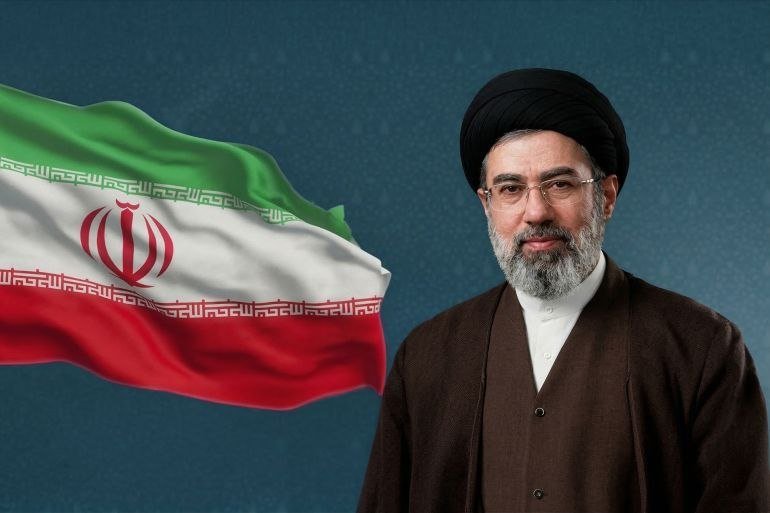
In a tightly structured 12-minute address, Ayatollah Imam Sayyed Mojtaba Khamenei moved from familiar rhetoric into something far more consequential. The opening half followed the expected script; revisiting decades of U.S. warmongering rhetoric: sanctions, assassinations, regional conflicts.
But midway through, the tone shifted from retrospective to strategic.
Sayyed Khamenei outlined three concrete demands, each with a defined timeline: a rapid U.S. military withdrawal from the Middle East, a full rollback of sanctions within 60 days, and long-term financial compensation for economic damages.
Then came the ultimatum. Fail to comply, and Iran escalates, economically, militarily, and potentially nuclearly. Not hypothetically, but operationally: closing the Strait of Hormuz, formalizing defense ties with Russia and China, and moving from ambiguity to declared nuclear deterrence.
The timing of external reactions was just as telling. Within hours, both Beijing and Moscow issued statements aligning, carefully but unmistakably, with Tehran’s framing. This definitely looked coordinated.
The broader context matters. Sayyed Mojtaba Khamenei represents a different leadership style from his martyred predecessor leader. Where martyr Sayyed Ali Khamenei operated through long-term balancing and controlled escalation, Sayyed Mojtaba appears positioned to deliver faster, more decisive outcomes.
Iran’s internal reports are clear, the Islamic Revolution Guard Corps is in no way, shape or form interested in incrementalism. They are pushing for structural change: removing U.S. influence from the region, restoring Iran’s military standing, and forcing a re-negotiation of global power dynamics.
And for the first time in decades, Iran practically has the leverage to do this.
Rising oil prices, regional instability, growing alignment with China and Russia, and vulnerabilities in global trade routes have shifted the strategic landscape.
So this was not just a speech. It was a test. A test of whether the United States is willing, or even able, to operate under a new set of constraints.
What happens next will likely define not just the trajectory of this conflict, but the broader balance of power in the Middle East for decades to come.