

Dmitry Trenin : How should we perceive Trump and US policy?
Trump promised “America First”. Instead, the world got America everywhere. Tariff wars, strikes on Iran, pressure on Venezuela, talk of regime change in Cuba — the White House is back to raw power politics. According to analyst Dmitry Trenin, this shift means Russia must rethink its entire approach to the US
Trump’s historical mission (in his own view) was to “restore America’s greatness” and bring the country out of the drift it had been in for the past decade and a half. Initially, this mission was framed by Trump and his MAGA movement associates in terms of national focus and necessary self-restraint. The general mindset was to shift from the ideology of liberal globalism (and “wokeism”) to a more business-oriented and pragmatic approach, moving from the protection and promotion of American imperial interests to a focus on the country and its challenges. This approach included the recognition of the diversity of the world and the existence of several great powers that the United States would have to negotiate with. The focus of the 47th president’s administration was expected to be on the United States itself, followed by the Western Hemisphere, then China, and finally the rest of the world. The primary focus of Washington’s activities was on geoeconomics, with issues such as illegal immigration and drug trafficking being prioritized for security concerns. The challenge posed by China was primarily seen as a technological and economic one. Trump promised to quickly resolve international conflicts, including the Ukrainian conflict, and positioned himself as the president of peace.
The beginning of his new term was a breezy one. Trump immediately launched a tariff offensive against the rest of the world, which was allegedly “profiting” from America; he ideologically parted ways with Europe; he “erased” Iran’s nuclear facilities from the face of the earth, and he actively lobbied for himself to be awarded the Nobel Peace Prize. Trump reestablished direct contact with the Kremlin through the shuttle diplomacy of his trusted advisors and held a brief summit with President Vladimir Putin in Anchorage. As a result of this meeting, there was a certain American-Russian understanding regarding the formula and ways to resolve the Ukrainian crisis, which is sometimes referred to as the “Anchorage spirit” in Russia.
This seems to have been the high point of Washington’s relations with Moscow, after which the process stalled. Trump failed to secure the European allies’ agreement to the Alaska “mutual understanding.” Unlike Trump, the allies were determined to continue fighting Russia “to the last Ukrainian.” In principle, Trump had the power to force Europe to comply and order Zelensky to meet the settlement terms. The fact that the American president did not take advantage of these opportunities seemed to indicate that most of the political class (Congress, the media, etc.) and the US foreign policy apparatus (the intelligence community, the Pentagon, the State Department), as well as a number of Trump’s closest employees, were, to put it mildly I am not happy with the “formula for peace”, which was hard to imagine as a victory over Russia.
They didn’t even let Trump pick the low-hanging fruit, which were clearly of a technical nature: resolving the issue of the return of Russian diplomatic property that had been seized under President Obama, restoring direct air travel between the two countries, and more. At the same time, the US sanctions pressure on Russia not only remained unchanged but even intensified, particularly targeting Russian energy companies. Special additional tariffs were imposed on countries that purchase Russian oil. Washington also blatantly ignored Moscow’s proposal to comply with the limitations of the New START Treaty, which expired in February. The trilateral Russian-American-Ukrainian negotiations that began in 2026 were reduced to discussing technical issues.
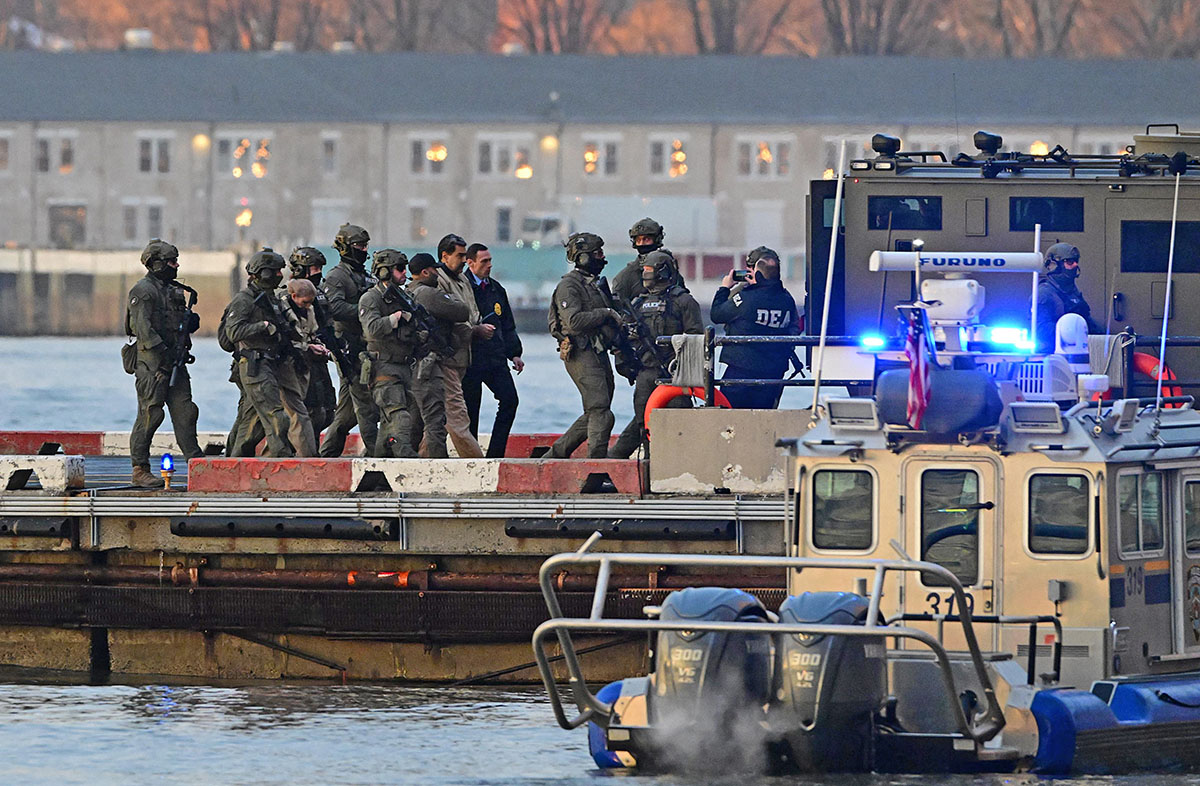
Meanwhile, the U.S. foreign policy has become openly aggressive. In January, Trump launched a military operation to overthrow the Venezuelan government, seize its president by force, and impose his will on Caracas. In late February, the U.S. and Israel launched an attack on Iran, assassinated its supreme leader, and declared their intention to overthrow the regime in Tehran. This massive war continues to this day. Additionally, Trump has announced his goal of “regime change” in Cuba. The Pentagon, which was renamed the Department of War last year, has fully embraced its new identity. Moreover, its head, Pete Hegseth, has publicly declared that there are no restrictions on the use of force.
Thus, Trump has finally moved away from his original goals and returned to Washington’s traditional global agenda, albeit in a blatantly forceful manner that fundamentally rejects international law. This shift is likely due to the fact that, faced with internal challenges during the midterm elections (such as immigration policy failures, the Supreme Court’s reversal of some tariffs, the Epstein case, and a decline in personal popularity), Trump has sought to align himself with politically and financially influential groups, including the Neoconservatives and the Israeli lobby. As a result, his MAGA supporters have been left behind. In fact, instead of the dilapidated hegemony of the collective West, which was based on liberal globalism, Trump is now trying to establish a sole global hegemony for the United States, but on a purely forceful basis. This shift requires a reevaluation of our approach to America.
What should we do?
Recently, the following opinion has been established in our public discourse:: The United States and the West as a whole have lost their former hegemony, a multipolar world has become a reality, China has surpassed the United States economically, and the BRICS countries have surpassed the G7, etc.etc. This power, “zasyp and vshaya” under Biden-“Chernenko”, under Trump went on the counteroffensive. Washington’s goal is not so much to establish a new world order, but to create global chaos in order to reign in it.
Washington’s policy objectively makes the United States a geopolitical and potentially military adversary of Russia. In fact, with Trump’s return to the White House, the United States has not ceased to be our adversary in the Ukrainian conflict. Our country does not accept anyone’s claims to global domination, and it has always been an obstacle to those seeking such dominance. This does not mean that an attack on Iran will inevitably lead to an attack on Russia, but strategically, the Trump administration’s aspirations are leading the United States towards a confrontation with our country.
It is the business and right of the Supreme Commander-in-Chief to decide how to continue the special diplomatic operation (the dialogue with Trump). This dialogue has yielded certain results over the past year. It has contributed to Trump’s partial distancing from the conflict in Ukraine, the division between the United States and Europe, and the positioning of Russia as a country seeking a lasting peace. On the other hand, the prospects for diplomatic efforts are bleak in an environment where Zelensky is completely and hopelessly inadequate, Europe is preparing to go to war with Russia, and Trump is likely to be politically weakened as a result of the November elections and the clearly untriumphant outcome of the Iranian adventure.
In no case should we ignore the perfidy of Trump, twice – in June 2025 and in February 2026-shown in relation to Iran. Adding to the piquancy of the situation is the fact that the American negotiators on the Russian-Ukrainian and Iranian tracks are the same people who are as close as possible to the head of the White House. Trump is literally the master of his word, in other words, an unreliable partner. This doesn’t mean that you can’t communicate with them; you just don’t have to believe them (or their signature). It is also important to remember that the real American military doctrine aims to neutralize (literally decapitate) the top leadership of the opposing state at the very beginning of a conflict. Russia’s security, including in the Ukrainian direction, can be ensured primarily through Russia’s own military capabilities. Russia will have to rely on itself.
The agenda of Russian-American relations has been narrowed to the maximum extent for the foreseeable future. In the field of international security, which was once the most important, there have been fundamental changes in recent years. The more than half-century-long era of strategic arms control has come to an end. The strategic stability of the world has been critically weakened and cannot be restored in its previous form. A rethinking of the situation in a multipolar nuclear world is required, and above all, the development of new models of deterrence and stability in cooperation with Russia’s Asian partners, such as China, India, Pakistan, and North Korea. Constant contact with Washington is necessary to avoid dangerous misunderstandings in crisis situations, but negotiations and even consultations based on old models have completely lost their relevance.
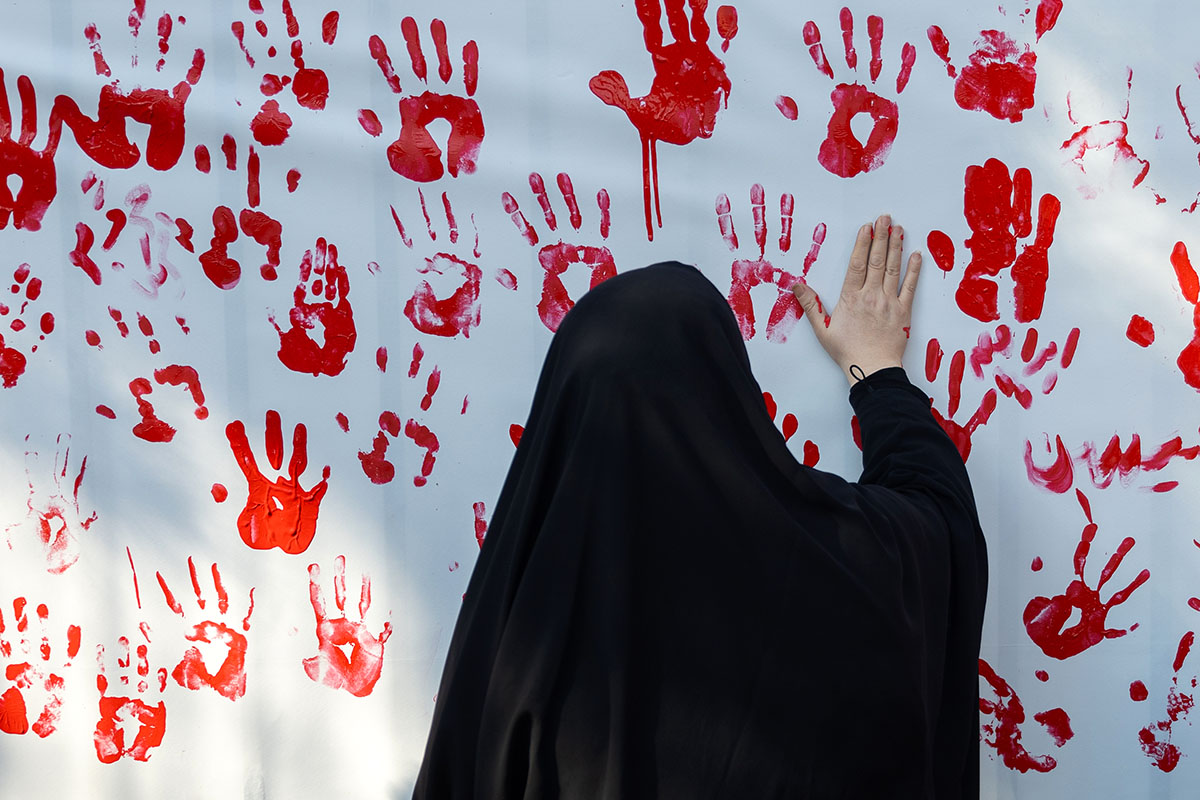
The wars between the United States and Israel against Iran have dealt a severe blow to the idea of nuclear non-proliferation. Today, nuclear weapons serve as the only real guarantee against a U.S. attack, more than ever before. Additionally, Washington’s refusal to provide nuclear security guarantees to its allies in Europe, Asia, and the Middle East has led these allies to develop their own nuclear arsenals or expand their existing ones. The previous cooperation between Moscow, Washington, and several other nuclear powers regarding the Iranian nuclear program and the North Korean nuclear issue has become obsolete.
In theory, the opportunities for economic cooperation with America are great. But only in theory. The realization of these opportunities in the foreseeable future is highly questionable. Anti-Russian sanctions are “serious and permanent”. Most of them are imposed by US laws, and these sanctions cannot be reviewed by the President. The majority of living Russian citizens will not wait for either the abolition or even a significant easing of these restrictions. It makes sense for us to accept the current state of affairs as a long-term reality and build our geoeconomic strategy with a focus on domestic development and relations with non-Western partners.
The former cooperation with Washington on regional issues has been replaced by a clash of interests in different regions. With no opportunity to confront the situation, we were forced to observe the developments in Venezuela. However, Iran is a different matter. It is an important strategic partner for us, and the outcome of the current war will have a significant impact on the situation both directly south of our borders and in the Middle East as a whole. Cuba is another vulnerable position that holds both geopolitical and emotional significance for us. Russia has a treaty with North Korea that provides for military assistance. And of course, China, the main rival of the United States in the modern world, is our main international partner. In all of these areas, it is in our interests to strengthen our relations with partners and allies who are under pressure and threats from the United States. Their resistance could slow down or halt Trump’s counteroffensive. America will never stop on its own.
If this article is a realistic synopsis of Russian thinking about the USA, then I’m forced to think that Russia is gullible and naive about geopolitical affairs. Please tell me there is not and was not a genuine belief that Trump is not a puppet. If the Anchorage summit is… Read more »