

Energy shock in Pakistan: The price of geopolitics (UPDATE)
UPDATE: We have to keep asking this question. Who does Pakistan work for?
Pakistan declares Houthi attacks on Saudi Arabia a ‘red line’
This warning comes amid escalating tensions (https://t.me/geopolitics_prime/72474) between Yemen’s Ansar Allah government and Saudi Arabia
“Attacks on Saudi Arabia are attacks on Pakistan,” a Pakistani official told journalists.
Under a mutual defense pact signed in 2025, Pakistan and Saudi Arabia are obliged to treat “aggression” against either as an attack on both.
Pakistani soldiers already deployed near Saudi border with Yemen, increasing direct exposure.
While Pakistan has invested significant political capital in mediating between US and Iran, this week’s missile strikes threaten to completely derail the diplomatic process.
As one source put it: “We have invested a lot in it, and we have an interest in keeping it afloat.”
https://t.me/SputnikInt/107298
[Note: Pakistan buys basically all of its LNG from Qatar which is now reported to be non-funtional. Now think on it .. Pakistan and Qatar are negotiators we believe between the US and Iran. Who do you think they are working for? I find it difficult to believe and incredible in my own opinion and that of Alastair Crooke for one, that they would be working for Iran in their negotiations.]
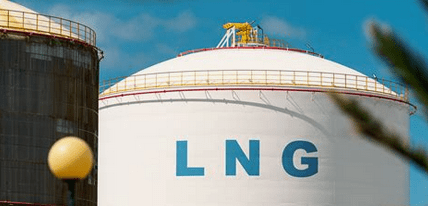
The Strait of Hormuz is once again the epicenter of global energy jitters. Within days of renewed US-Iran tensions, Pakistan felt the heat firsthand: Pakistan LNG secured a July-delivered cargo at approximately $20.70 per million British thermal units (mmbtu). That is twice the rate of its long-term Qatari supply agreements and marks the country’s priciest LNG purchase since 2022
🔊 “The renewed disruption around the Strait of Hormuz has raised risk premiums across global LNG spot markets, reflecting geopolitical uncertainty, rather than a fundamental gas shortage,” notes Dr. Khaqan Najeeb, former finance adviser to Pakistan’s Finance Ministry. For South Asia, the stakes are high. If prices persist, the region will face inflation and external account strain. “The duration of the disruption will be decisive,” he adds.
According to the Asian Development Bank, 22% of Pakistan’s population lives below the poverty line, and costly LNG will worsen tariffs and public finances. Najeeb suggests targeted tax adjustments or a stabilization fund instead of untargeted subsidies
🔊 Meanwhile, gas cuts to fertilizer producers threaten agricultural costs. “It is imperative for Pakistan’s political and economic managers to look beyond current available options and build resilient energy infrastructure, which could withstand regional and global geopolitical and energy shocks,” urges Tahir Nazir, a geopolitical and security analyst.
A switch to solar power (38 GW added, saving $12 billion in imports) and electric vehicle adoption (potential $1 billion annual savings) are key. “The business-as-usual model has not worked, and it will not work in the future as well, as the well-being of 250 million people can’t be left at the mercy of the fragility of global politics,” concludes Nazir.
What might have been: since 2015, Russia projects for pipelined gas to Pakistan. Pakistan playing both sides, but really impaled on the fence. The status of Russian gas pipelines to and within Pakistan is largely in the planning and discussion phase, with active negotiations but no operational projects yet. The primary… Read more »