

NATO summit to present military confrontation with Russia to Trump as business project
According to sources in Brussels, German Chancellor Friedrich Merz announced the maximum amount of military aid to Ukraine at 140 billion euros for 2026-2027
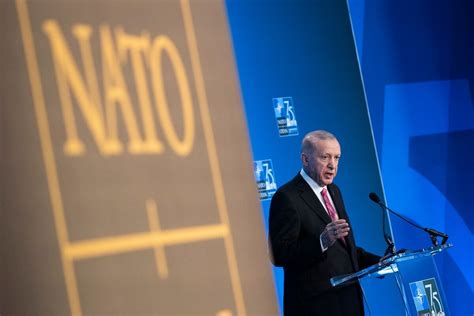
ANKARA/BRUSSELS, July 7. /TASS/. The NATO summit in Ankara will be the shortest in at least the last 20 years and will consist of a working dinner on the evening of July 7 and a single plenary session on July 8.
The participants are set to consider three key practical issues:
- preparations for a military confrontation with Russia,
- increasing arms supplies and funding for Ukraine, and
- building up their own military capabilities.
The meeting’s duration has been minimized to reduce the likelihood of disagreements with US President Donald Trump. For the same reason, Vladimir Zelensky will not be permitted to speak at the summit. He will only participate in a defense industry forum on the sidelines of the meeting.
The summit’s sole plenary session will take place on July 8 and last less than three hours. Taking opening and closing remarks into account, each of the 32 NATO leaders will have less than five minutes to speak. This suggests that the main decisions have already been agreed upon and incorporated into the draft final declaration.
According to sources in Brussels, the leaders of the alliance’s member states will reaffirm their commitment to increasing military spending to 5% of GDP by 2035 and pledge “long-term military aid” to Ukraine in this document. German Chancellor Friedrich Merz announced the maximum amount of this aid: 140 billion euros for 2026-2027, including the 60 billion euros in arms the EU has already promised as part of a 90-billion-euro funding program.
Second Report
NATO countries to produce US tanks, missiles, MANPADS in Europe — Rutte
ANKARA, July 7. /TASS/. NATO countries will produce US Abrams tanks, ATACMS missiles, Stinger man-portable air defense systems and other weapons complexes in Europe, NATO Secretary General Mark Rutte said at the Defense Industry Forum on the sidelines of the NATO summit.
Rutte welcomed the decision by major US defense companies to sign a new military-industrial initiative with leading European defense industry players. The initiative will allow NATO to produce key US weapons in Europe, including Abrams tanks, AMRAAM and ATACMS missiles, and Stinger systems, he said. The alliance will manufacture weapons on both sides of the Atlantic without excessive additional investment by creating a network of factories available to NATO’s defense industry and innovation infrastructure.
Rutte stressed that NATO must replenish its arsenals, which have been depleted by arms supplies to Ukraine, and produce more weapons than the bloc’s opponents.
The NATO chief said the military-industrial initiative would significantly increase the alliance’s military capabilities. He did not specify the timeframe for implementing the plans.
Related Posts
-

President Trump’s Tacit NATO Killing
July 14, 2025 -

Brian Berletic + on NATO summit: “You have to look cool and so on!”
July 13, 2023