

One year after Syria was regime changed …
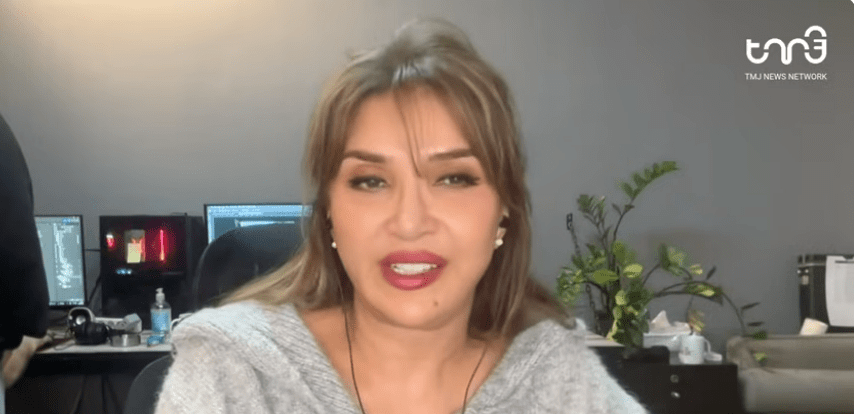
This video explains in depth what happened.
There were some of our reliable journalists who continually blamed Russia for losing Syria. I was not of that opinion, as I watched Mr Lavrov at the very final regional meeting before the gates of Idlib opened. There was significant pushback on my stance, as it was more comfortable to blame Russia for ‘losing’ Syria. I also did not believe that Russia would leave the issue, but would let it develop. The criticism was around ‘Russia is only trying to keep its warm water ports’, and completely forgotten was the fact that Russia rescued at least Bashar al-Assad and offered many Syrians safety around the Russian area. This opinion, that Russia did not rescue Syria, spreading ‘Russia Sold out Syria’ became the prevailing orthodoxy. It was not correct then, and it is not correct now.
Recently, another lengthy interview was published on the issue, and I waited a moment to debunk it, as it was beginning to need serious debunking. To my joy, others recognized that the orthodoxy is becoming destructive. Throughout the time, I watched a number of journalists who remained quiet on the matter and, of course, wondered why. These are now stepping forward: journalists like Eva Karene Bartlett and, specifically, Marwa Osman, both highly competent, who have never spoken out in this way.
One can forgive those who were making up and pushing the idea of ‘Russia sold out Syria’ over and over again, because they’ve done good work. Still, during that time, no matter what was presented, they insisted on claiming a higher-than-all perception and continued with Russia Bad under the guise of: We Will Speak the Truth, no matter what. OK, but if your truth sucks and is a made-up view, to serve your world-view? There is no problem with critiquing Russia, but why not instead tell who was behind the fall of Syria instead of continually critiquing from a ‘better than’ perspective?
Here is Sharmine Narwani from the Cradle, who did a thorough and correct look-back on the fall of Syria, why Russia did what she did, and the current development trajectory. I am grateful for this work. Throughout this time, I had a sense that Russia was staying because it was blocking something, which turned out to be the correct and justifiable stance.
Eva Bartlett says: “Sharmine Narwani’s words are a rational counter to the “Russia sold out Syria” voices.
“Sharaa goes to Moscow to meet with Putin. And of course, those who are against the terror that Syria experienced and the regime change were appalled: ‘Putin’s working with the Zionists. Putin’s okay with al-Qaeda!’
No. No. Countries act in accordance with their national interests. And they’re opportunistic. Opportunism is what you need to be as a political leader of a country…”
*Note: Sharmine was going to Syria early on in the global war on Syria. If I recall correctly, she went there in 2012 or 2013, I myself started going there in 2014 (https://ingaza.wordpress.com/syria/syria-my-published-articles-from-and-on-syria-2014-2022/). She has credibility on the ground, she took a very unpopular, honest, stance back then, writing excellent articles countering the propaganda. She’s credible now.]”
A year after the fall of Bashar al-Assad and Abu Mohammad al-Jolani’s rise to power, Syria remains a politically volatile state. West Asian geopolitical analyst and Cradle columnist Sharmine Narwani joins TMJ News to reveal the power plays unfolding behind the scenes: Russia’s sudden return near the Golan, Israel expanding its reach in the south, Gulf and Turkish maneuvering, U.S. calculations, and the IMF positioning itself for influence. What does the future of Syria look like as foreign powers get involved?
Time Stamps:
00:00 One year of Jolani in Power
08:30 Syria and the Abraham Accords
16:02 Why Russia is Back in Syria
22:55 MAGA vs. MIGA
25:58 What Media get Wrong about Syria
That was an excellent interview with sound perspective
thanks for posting these down to earth women journos.