

China’s Strategic Moves in Global Geopolitics and Economics
China’s role in geopolitical, military and economics spheres is evolving.
China has dropped to the third-largest holder of U.S. Treasury securities, following the UK and Japan, a maneuver that reflects its shifting economic focus amidst ongoing trade tensions with the United States. This change emphasizes China’s cautious approach to its financial investments, particularly as it navigates the complexities of the U.S.-China trade war.
Furthermore, China is tightening its economic ties with Iran, as seen by the U.S. Treasury imposing sanctions on an Iranian military-affiliated network accused of smuggling oil to China. This action underscores the geopolitical chess game between the U.S. and its adversaries, with China positioned to benefit and not moving from its position.
Still on the economic track, China is drawing APEC (22 member bloc) together very actively. Li Chenggang, China’s international trade representative with the Ministry of Commerce and vice minister of commerce, at the 31st Asia-Pacific Economic Cooperation (APEC) Ministers Responsible for Trade Meeting, held during the past week, made it clear. Recently some economy has implemented the so-called reciprocal tariffs and provoked global trade frictions, which have seriously violated WTO rules, impacted the multilateral trading system and caused global economic turmoil. Many trading partners have expressed strong dissatisfaction and clear opposition. APEC members should work together to maintain the stability of the international economic and trade order, practice true multilateralism, resolutely oppose unilateralism and protectionism, objectively view and properly handle the global trade disorder caused by unilateral tariff measures and ensure the smooth operation of global trade under the WTO framework, Li said.
In South Asia, India’s concerns about China’s influence are growing, especially in Myanmar, where China’s dominance remains unchallenged. This development has prompted discussions among Indian experts about the need for India to focus on its strategic responses to China’s assertiveness in the region. It is generally accepted that the quick ‘cease-fire’ between India and Pakistan as reported by Trump, was a move of desperation as Pakistan (read China in terms of weaponry), was making minced meat out of India’s US weaponry. This is partially supported by the plunge in the stock price of France’s Dassault Rafale multi-role fighter aircraft.
In military affairs, Japan is preparing to test its Type 88 long-range missile, a move aimed at strengthening its defense against perceived threats from China. This military enhancement reflects the broader trend of regional powers bolstering their defenses in response to China’s expanding military capabilities.
China’s recent arms deal with Nigeria further illustrates its intention to deepen ties with West Africa, enhancing its global influence and presence in military collaborations. Such partnerships could have long-term implications for regional stability and alignments.
This is a comment from Pepe Escobar’s Telegram and there is no source for it. I do not question the validity as I have seen similar other signs and portends filter through.
China just recently shot up into space a network of sensing satellites (three of them), supposedly for measuring various earth phenomenon. Are they helping the Yemeni’s with targeting? That is not beyond the calculous.
These dynamic events collectively may indicate a change in China’s posture. We cannot yet say China is moving away from its stance of peace above all, but what we see is that China is getting closer to contentious actions in international politics and economics. In casual language and reading the smoke signals, it my assessment that China is fed-up with tiptoeing around the US web of deceit and unilateral actions. This is appearing as moving the pivot to finally redefine global alliances and economic strategies as they accurately reflect in the developing world. (We’re not into minority rule!)
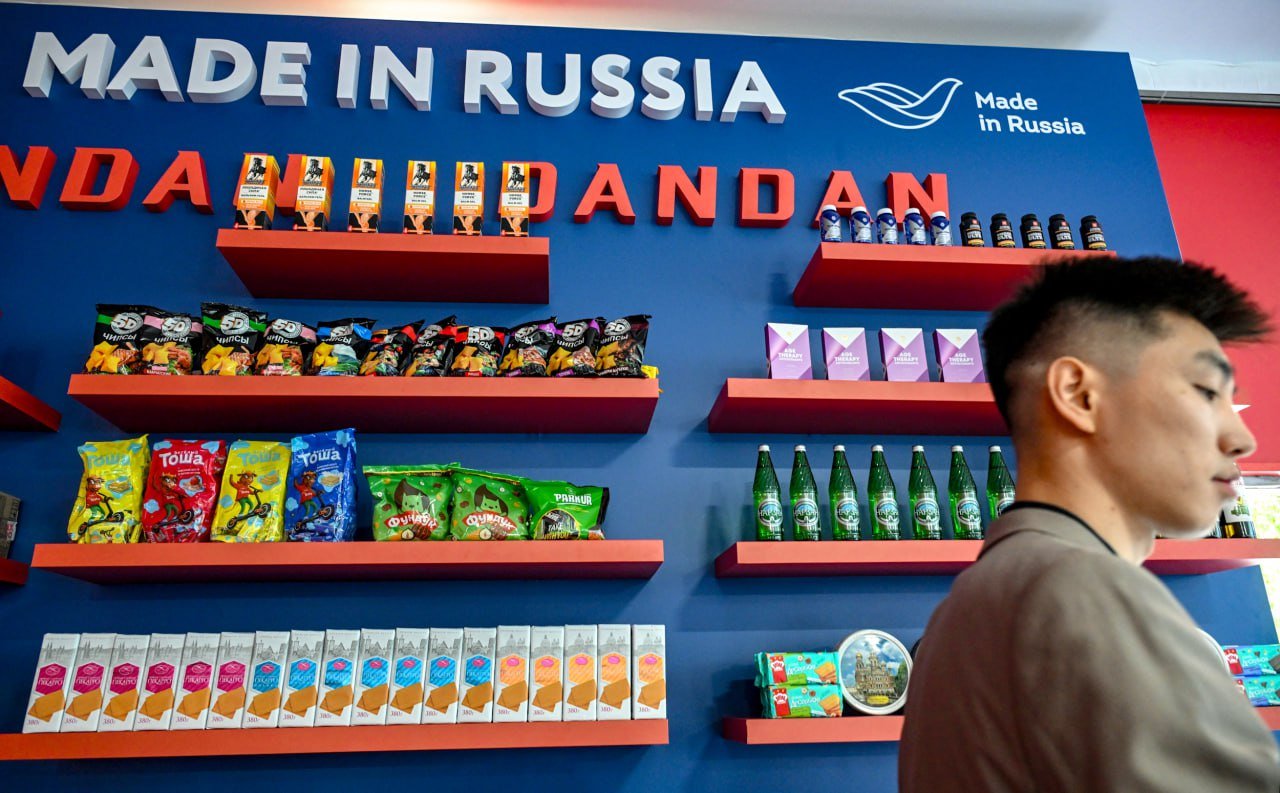
In terms of hard monetary value which cannot compete with the amounts of money that Trump gained during his visit to the Gulf States, nevertheless we have this: Russia signs 11 billion ruble export deal with China at ‘Made in Russia’ fair in Harbin. At least we know that very little of this 11 billion rubles will travel through SWIFT or western financial pathways. Top Chinese influencers will be promoting Russian goods throughout Eurasia. Soft power is meeting hard currency.
Sources: South China Morning Post, Miami Herald, Foundation for Defense of Democracies, The Economic Times, NDTV.com, Army Recognition