

Hamas from a leftist perspective
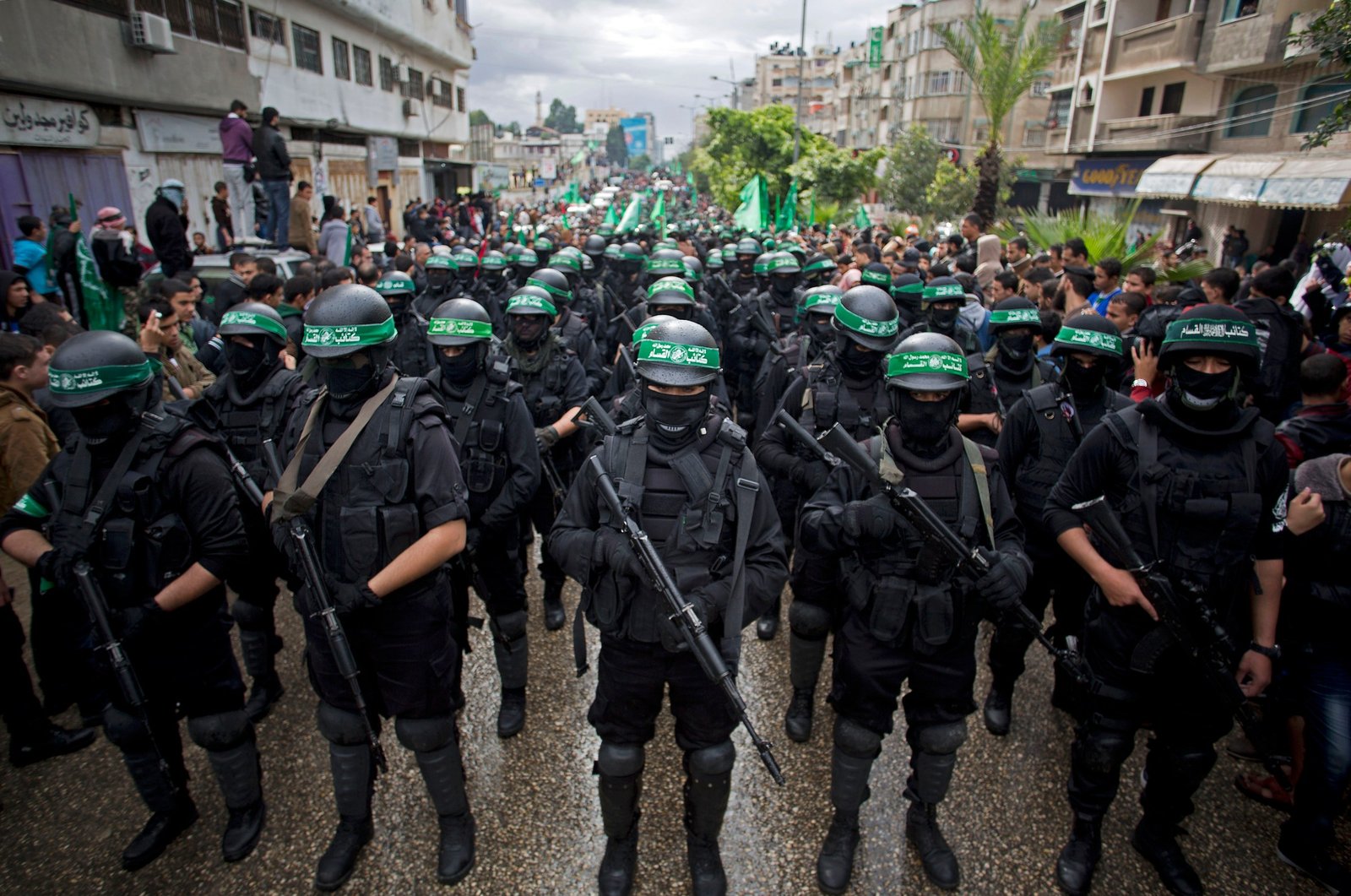
In this piece, Abdaljawad Omar responds to criticisms of the Palestinian resistance from the left. Omar argues that the Western left must confront the reality that true solidarity with Palestine cannot dismiss or exclude Hamas, despite its complex socio-political dynamics. He explains the diversity within Palestinian society and the evolution of resistance in its various forms.
“Ultimately, the Western left’s quixotic search for a secular progressive alternative to Hamas overlooks a simple fact: at this particular historical juncture, the political forces that are still holding onto and leading a resistance agenda are not of the secular left.”
Omar delves into the diversity of Palestinian resistance, noting veiled hostility to Palestinian resistance in calls to support the cause and the difficulty of unity through geographical separation. Omar contends that the diversity in Palestinian politics should not be confused with diversity in resistance, as anti-resistance figures like Mahmoud Abbas are part of the highly polarized political spectrum. The dividing line is not Islamism and secularism, but rather it is the line that divides resistance and liberation between coordination and concession.
Omar notes how the zionist entity cultivates a “Palestinian leadership” that is favorable towards it while harassing and assassinating alternatives (with the help of this leadership). This phenomenon is a feature of anticolonial movements.
“Isn’t resistance to colonialism in and of itself a progressive act that will empower the dispossessed? And isn’t collaboration itself a socially regressive force because it subordinates the colonized?”
Omar explains the concept of “Muzawada” (one-upmanship) using examples from the second intifada in countering claims that resistance is futile in an asymmetrical battle. He aptly quotes martyr Basil Al-Araj: “If the left in Palestine wants to compete with Islamists, they should compete in resistance.”
“Hamas, at the end of the day, is the contemporary articulation of a long history of resistance that folds within it the peasants of pre-Nakba Palestine, Palestinian revolutionaries in exile during the early years of the PLO, and the Islamists who took the wide-scale initiative in the 80s and beyond.”
“Resistance is pre-political. It exists organically among this generation of Palestinians who continue to be erased from their land and continue to lose their friends and loved ones. It is those forces who do well in organizing that latent resistance and end up becoming a force to be reckoned with in Palestinian society. It is a necessity, and even in its militarization, it grows from tangible material realities, rather than from ideological choices alone.”
“Hamas isn’t going anywhere in Palestinian politics. It is an energetic political entity that has astutely learned from the mistakes of its predecessor, the PLO, both in warfare and negotiations. It has meticulously invested its intellectual, political, and military resources into understanding Israel and its psychic center of gravity. Whether we like it or not, Hamas is now the primary force leading the Palestinian struggle. “
Related Posts
-

Hamas on the Anniversary of Al-Aqsa Flood
October 8, 2024 -

Zion nuked Western Electronics & Made China Supreme
September 18, 2024 -

The Waiting is Part of the Punishment
August 13, 2024 -

China wants to be a peacemaker: Fatah, Hamas reported to meet in China
July 16, 2024 -
Latest Statements: Hamas, Mujahideen Movement, Popular Resistance Committees
June 25, 2024 -

Hamas comment on Cease Fire agreement
June 12, 2024 -

June 05 Update on Boiling Frogs
June 5, 2024 -

Massacring Innocents to obscure Victory of the Axes of Resistance
May 18, 2024 -

Palestinian Resistance Update
April 30, 2024 -

Abu Obeida’s Revolutionary Message
April 25, 2024